

Válido para operar drones C0 sobre pessoas não envolvidas (mas nunca sobre ajuntamentos) e drones C1 próximo de pessoas.
Após o registo, o utilizador tem uma semana para concluir o curso. Após este tempo, o utilizador fica bloqueado e tem que se inscrever novamente.
ESTRUTURA DO CURSO DA PROVA DE CONCLUSÃO A1-A3:
DESCRIÇÃO
- Justificação
- Objetivos
- Candidatos elegíveis
- Informações úteis
- Programa de treino (Parte 1, Parte 2 e Parte 3)
PARTE 1 Regulamentação
I. Regulamentação da Aviação
a) Sistema de aviação
b) Regras aplicáveis de categoria aberta
c) UAS rotulado com uma marcação de classe de conformidade, UAS legado e UAS de construção privada
d) Períodos de transição de categoria limitados
e) Responsabilidades do operador UAS e do piloto remoto
f) Sistema de relatórios de incidentes e acidentes
g) Reconhecimento mútuo
h) Não conformidade com categoria aberta
II. Restrições de espaço aéreo
a) Zonas Geográficas
b) Onde encontrar e o que fazer
c) O que se deve esperar ao operar em outro MS?
III. Privacidade e proteção de dados
a) GDPR
b) Diretrizes
c) O que se deve esperar ao operar em outro MS?
IV. Seguro
a) Responsabilidade
b) Quais são os regulamentos
c) Diferenças entre os estados membros - O que é importante se operar em outro MS?
PARTE 2 Segurança
V. Segurança contra atos ilícitos
a) Compreender a segurança
b) Impactos
c) Como mitigar os riscos de segurança
d) O que fazer
VI. Segurança operacional aérea, limites da performance humana e conhecimentos gerais dos UAS
a) Precauções de segurança
b) Fatores e limitações ambientais
c) Operações VLOS
d) Familiarização com o ambiente operacional
e) O que são os limites da performance humana
f) O que pode afetar
g) Identificar o nível de aptidão para realizar tarefas operacionais
h) Princípios de voo
i) Condições adversas e desempenho UAS
j) Instruções do fabricante Informações do manual
VII. Procedimentos operacionais
a) Antes do voo
b) Durante o voo
c) Após o voo
Valid to operate C0 drones on people not involved (but never about roundups) and C1 drones near people.
After registration, the user has 6 months to complete the course. After this time, the user becomes blocked and has to register again.
STRUCTURE OF THE A1-A3 ONLINE TRAINING COURSE:
DESCRIPTION
- Justification
- Goals
- Eligible candidates
- Useful information
- Syllables (PART 1, PArt 2 and PART 3)
PARTE 1 Regulation
I. Aviation Regulation
a) Aviation system
b) Open category Applicable rules
c) UAS labeled with a Conformity class marking, legacy UAS and privately build UAS
d) Limited category transition periods
e) Responsibilities of the UAS operator and the remote pilot
f) Incident and accident Reporting system
g) Mutual recognition
h) Non- compliance with open category
II. Airspace restrictions
a) Geographical Zones
b) Where to find and what to do
c) What should be expected if operating in another MS?
III. Privacy and data protection
a) GDPR
b) Guidelines
c) What should be expected if operating in another MS?
IV. Insurance
a) Liability
b) What are the regulations
c) Differences between the members states – What is important if operating in another MS?
PARTE 2 Security
V. Security against unlawful acts
a) Understanding the security
b) Impacts
c) How to mitigate security risks
d) What to do
VI. Air Safety, Human Performance Limitations and General knowledge of UAS
a) Safety precautions
b) Environmental factors and limitations
c) VLOS operations
d) Familiarisation with the operational environment
e) What is Human Performance Limitations
f) What can effect
g) Identify level of fitness to preform operational tasks
h) Principles of flight
i) Adverse conditions and UAS performance
j) Manufacturer instructions Manual informations
VII. Operational procedures
a) Before the flight
b) During the flight
c) After the flight
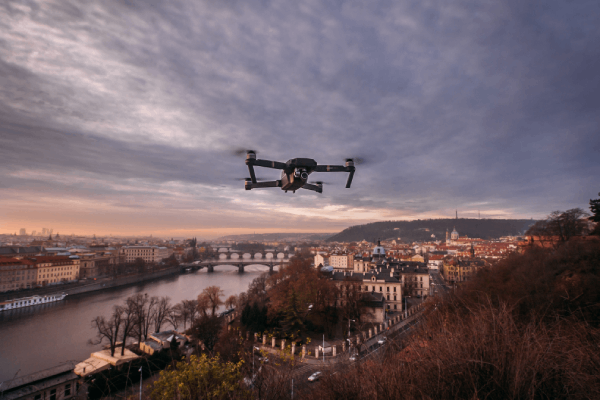
Válido para operar drones C2 perto de pessoas
Após o registo, o utilizador tem seis meses para concluir o curso. Após este tempo, o utilizador fica bloqueado e tem que se inscrever novamente.
ESTRUTURA DO CURSO CERTIFICADO A2
Descrição
- Justificação
- Objetivos
- Candidatos elegíveis
- Informações úteis
- Programa de Treino (PARTE 1, PARTE 2, PARTE 3)
PARTE 1 Meteorologia
(1) O efeito do clima na UA
(i) vento (por exemplo, efeitos urbanos, turbulência)
(ii) temperatura
(iii) visibilidade
(iv) a densidade do ar
(2) obtenção de previsões do tempo
PARTE 2 Desempenho de voo do UAS
(1) o envelope operacional típico de um helicóptero, asa fixa e configurações híbridas
(2) massa e equilíbrio e centro de gravidade (CG)
(3) proteger a carga útil
(4) baterias
PARTE 3 Medidas de atenuação técnica e operacional do risco no solo
(1) funções de modo de baixa velocidade
(2) avaliando a distância das pessoas
(3) a regra 1: 1
Valid for operating C2 drones near people
After registration, the user has 6 months to complete the course. After this time, the user becomes blocked and has to register again.
STRUCTURE OF THE A2 COURSE
Description
- Justification
- Goals
- Eligible candidates
- Useful information
- Syllabus (PART 1, PART 2, PART 3)
PART 1 Meteorology
(1) The effect of weather on the UA
(i) wind (e.g. urban effects, turbulence)
(ii) temperature
(iii) visibility
(iv) the density of the air
(2) obtaining weather forecasts.
PART 2 UAS flight performance
(1) the typical operational envelope of a rotorcraft, for fixed wing and hybrid configurations
(2) mass and balance, and centre of gravity (CG)
(3) secure the payload
(4) batteries
PART 3 Technical and operational ground risk mitigations
(1) low-speed mode functions
(2) evaluating the distance from people
(3) the 1:1 rule.
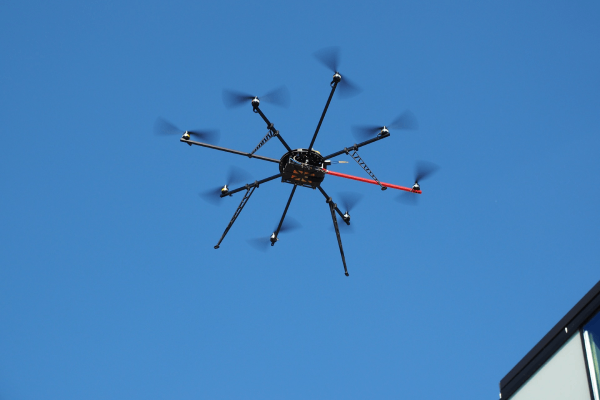
Valid to operate drones in specific scenarios (STS).
STS FORMATION STRUCTURE
- PART 1:
- Aviation Regulation
- Operational Procedures
- Technical and operational mitigations for the ground risk
- PART 2:
- Human performance limitations
- PART 3:
- Technical and operational mitigations for the air risk
- PART 4:
- UAS general knowledge
- PART 5:
- Meteorology
- PART 6:
- UAS flight performance